The U.S. Border Patrol has long been at the forefront of national security, tasked with protecting over 6,000 miles of international borders. Behind the scenes, the agency invests heavily in preparing its officers through the Border Patrol Academy—a rigorous training ground designed to forge recruits into capable law enforcement professionals. Recently, the Academy has seen a notable surge in recruit interest, reflecting both public awareness of border security issues and the allure of a challenging law enforcement career.
A Surge in Recruit Interest
Over the past few years, the Border Patrol Academy has reported a substantial increase in applications. Experts attribute this rise to several factors:
- Heightened Public Awareness: News coverage of border challenges has spotlighted the critical role of Border Patrol agents.
- Competitive Benefits: The job offers federal employment benefits, including healthcare, retirement plans, and opportunities for advancement.
- A Sense of Duty: Many recruits are motivated by a desire to serve and protect their country, facing a role that combines law enforcement with humanitarian responsibilities.
The surge in applicants, however, has also created challenges. Higher interest means more rigorous selection standards, including background checks, physical fitness tests, and psychological evaluations, to ensure that only the most suitable candidates are accepted.
Training Realities at the Academy
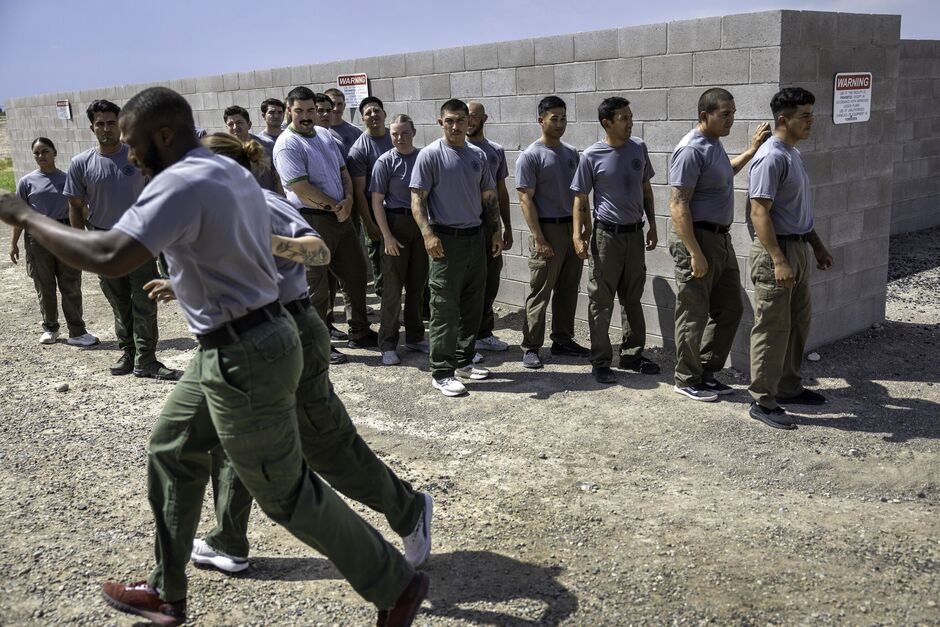
The Border Patrol Academy is not just a formality; it is an intense, multifaceted program designed to prepare recruits for the harsh realities of border enforcement. Training typically spans about 20 weeks and covers a variety of disciplines:
- Physical Fitness and Defensive Tactics: Recruits undergo demanding physical conditioning, obstacle courses, and defensive techniques to prepare for high-stress encounters in the field.
- Firearms and Tactical Training: Precision, safety, and tactical awareness are critical, given the high-risk scenarios agents may face.
- Legal and Ethical Education: Recruits learn immigration law, civil rights, and proper arrest procedures to ensure lawful enforcement.
- Driving and Vehicle Operations: High-speed pursuits, off-road driving, and vehicle inspections are taught to enhance operational readiness.
- Survival and Field Exercises: Practical training in desert, river, and mountainous terrains teaches recruits to operate in some of the most challenging environments in the country.
The Academy emphasizes not only technical skills but also mental resilience. Recruits must navigate physically demanding schedules while absorbing complex legal knowledge and cultivating sound decision-making under pressure.
Challenges for Modern Recruits
While the surge in interest is encouraging for the agency, recruits face modern challenges:
- Complex Border Issues: Humanitarian crises, drug trafficking, and evolving immigration patterns require agents to adapt constantly.
- Public Scrutiny: Agents operate under a high degree of public and political attention, requiring poise and professionalism.
- Physical and Emotional Stress: Long hours, unpredictable conditions, and high-stakes situations demand stamina and mental fortitude.
Despite these challenges, many recruits report a sense of purpose and camaraderie that makes the rigorous training worthwhile.
Looking Ahead
The rise in interest at the Border Patrol Academy signals a renewed recognition of the vital role these agents play in national security. As the agency adapts to modern challenges, the Academy remains committed to preparing recruits not just to enforce the law but to serve with integrity, resilience, and dedication.
For those considering a career in border enforcement, the Academy offers a glimpse into a profession that is demanding, dynamic, and profoundly impactful.