The average price of gasoline has climbed back to $4 per gallon in several parts of the United States after global oil prices surged more than 15% in just one week. The sharp increase has reignited concerns among consumers, businesses, and economists, as higher fuel costs are expected to impact household budgets, transportation expenses, and inflation.
The sudden jump in oil prices comes amid escalating geopolitical tensions, supply concerns, and market uncertainty. While oil markets are known for their volatility, a weekly increase of more than 15% is considered significant and has quickly translated into higher prices at the pump across many states.
In this article, we’ll examine what caused the oil price surge, why gas prices have reached $4 again, how it affects consumers and businesses, and what experts expect in the coming weeks.
Why Are Gas Prices Rising Again?
Gasoline prices are closely tied to the cost of crude oil, which accounts for roughly half of the retail price consumers pay at gas stations. When crude oil prices rise rapidly, refineries and fuel distributors typically pass those higher costs along to drivers.
The latest increase has been driven by several key factors:
1. Global Oil Supply Concerns
Oil markets reacted strongly to fears of tighter global supplies following geopolitical developments in major oil-producing regions. Investors worry that any disruption to exports could reduce available supply while demand remains relatively strong.
Supply risks often trigger immediate price increases because traders anticipate shortages before they actually occur.
2. Strong Seasonal Demand
Summer travel continues to support strong gasoline demand. Millions of Americans are taking road trips, while airlines are consuming more jet fuel due to increased vacation travel.
Higher demand combined with limited supply naturally pushes prices upward.
3. Market Speculation
Commodity traders frequently respond quickly to global events. As concerns over supply increased, investors purchased oil futures contracts, accelerating the rise in crude prices.
Financial markets often amplify short-term price movements beyond immediate physical supply changes.
Oil Prices Jump More Than 15% in One Week
A weekly increase of more than 15% represents one of the largest short-term gains seen in recent months.
Energy analysts note that crude oil markets are extremely sensitive to:
- International conflicts
- Production cuts
- Export disruptions
- Shipping concerns
- Economic outlook changes
- Currency fluctuations
Even rumors of potential supply interruptions can send prices sharply higher.
As benchmark oil prices climbed, wholesale gasoline prices increased almost immediately, leading retailers to raise pump prices across many regions.
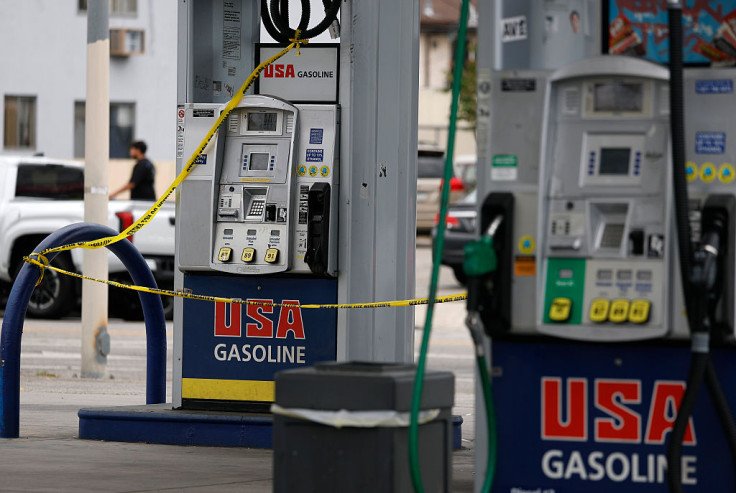
Gas Prices Reach $4 Per Gallon Again
Drivers in several states are once again seeing gasoline prices reach or exceed $4 per gallon, particularly in areas with higher fuel taxes or stricter fuel regulations.
Western states, including California, continue to report some of the nation’s highest gasoline prices, while several Northeastern states have also experienced noticeable increases.
Although the national average may vary by day, many local markets have already crossed the $4 threshold.
Prices differ depending on:
- State fuel taxes
- Local competition
- Transportation costs
- Regional fuel blends
- Refinery availability
Some areas have experienced increases of 20 to 40 cents within just a few days.
Impact on American Consumers
Higher gasoline prices affect nearly every household because transportation is a daily necessity for millions of Americans.
Increased Household Expenses
Families commuting to work, school, or other activities may spend significantly more each month on fuel.
For example:
- A driver purchasing 50 gallons per month would spend approximately $25 more if gasoline rises by 50 cents per gallon.
Those additional costs can strain household budgets already impacted by food, housing, and utility expenses.
Higher Travel Costs
Road trips become more expensive as fuel prices rise.
Vacation budgets may need adjustment, especially for families traveling long distances.
Some travelers may choose shorter trips or delay non-essential travel.
Businesses Also Feel the Pressure
Fuel price increases don’t only affect drivers.
Businesses that rely on transportation often face higher operating costs.
These include:
- Trucking companies
- Delivery services
- Airlines
- Public transportation
- Construction firms
- Agricultural operations
Many businesses eventually pass these costs to consumers through higher prices on goods and services.
Could Inflation Rise Again?
Energy prices play a major role in inflation.
When gasoline becomes more expensive:
- Shipping costs increase.
- Food transportation becomes costlier.
- Manufacturing expenses rise.
- Consumer spending patterns shift.
Economists closely monitor oil prices because prolonged increases can slow progress in reducing inflation.
Central banks also watch energy markets carefully when evaluating future interest rate decisions.
Will Gas Prices Continue Rising?
The outlook depends largely on global oil markets.
Several scenarios could influence prices over the next few weeks:
Prices Could Rise Further If:
- Geopolitical tensions worsen.
- Oil production decreases.
- Supply disruptions expand.
- Demand remains strong.
Prices Could Stabilize If:
- Supply concerns ease.
- Additional oil production enters the market.
- Demand slows after the summer travel season.
- Financial markets become less volatile.
Energy analysts caution that fuel prices can change rapidly depending on global events.
Tips for Saving Money on Fuel
While consumers cannot control oil prices, they can reduce fuel expenses through smart driving habits.
Some practical tips include:
- Combine multiple errands into one trip.
- Maintain proper tire pressure.
- Avoid aggressive acceleration.
- Remove unnecessary weight from vehicles.
- Compare gas prices using fuel price apps.
- Keep up with regular vehicle maintenance.
Drivers with flexible schedules may also benefit from filling up earlier if prices are expected to increase further.
What Experts Are Watching
Energy analysts are paying close attention to several indicators:
- Global crude oil inventories
- OPEC+ production decisions
- U.S. refinery operations
- International geopolitical developments
- U.S. gasoline demand
- Weather events affecting refineries
Any major developments in these areas could quickly influence gasoline prices nationwide.
Conclusion
The return of $4 gasoline highlights how quickly global energy markets can affect everyday life. A 15% surge in oil prices within a single week has already translated into higher fuel costs for millions of American drivers, increasing transportation expenses for households and businesses alike.
While no one can predict exactly how long prices will remain elevated, future trends will depend on global supply conditions, geopolitical developments, seasonal demand, and production decisions from major oil-exporting nations. If supply concerns ease, fuel prices may stabilize or decline. However, continued disruptions could push prices even higher.
For consumers, staying informed about fuel price trends, driving efficiently, and planning travel wisely can help reduce the financial impact of rising gasoline costs. As the energy market continues to evolve, drivers, businesses, and policymakers will be closely watching whether the current surge proves temporary or signals a longer period of elevated fuel prices.